

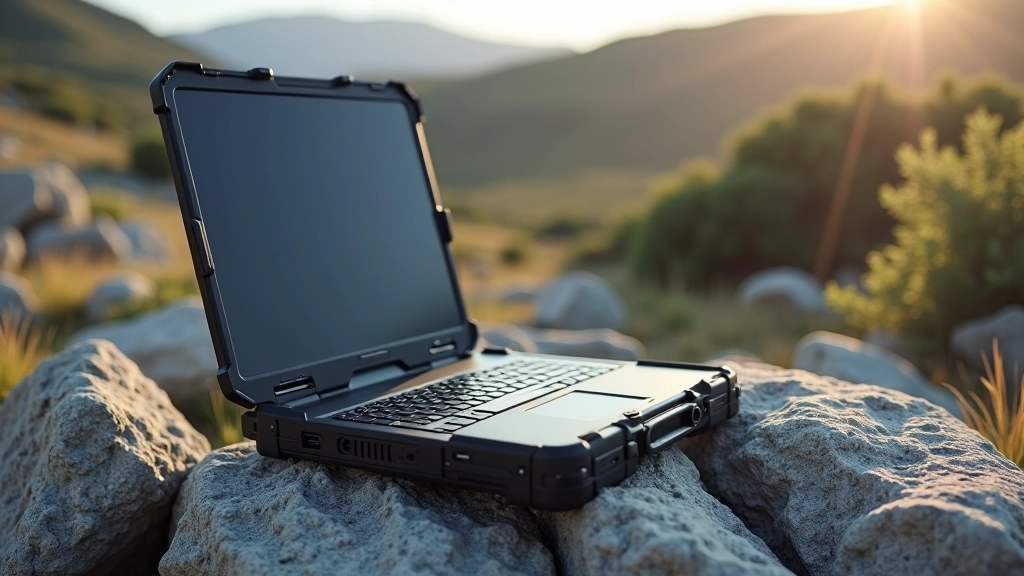
Rugged Laptop Reviews for Irish Professionals
What makes a laptop truly secure and durable. We've tested models built for tough conditions and real security needs.
Why Rugged Laptops Matter for Your Work
Most professionals assume any laptop with a decent spec sheet will do the job. That's where things go wrong. You're working in construction, surveying, or fieldwork across Ireland's varied terrain. Your device gets knocked around. It sits in damp conditions. Dust finds its way into every gap.
A standard laptop doesn't survive this. It's not built for it. Rugged devices, though, they're engineered differently. They've got reinforced frames, sealed components, and tested durability ratings. But here's the real question: which ones actually perform when you need them?
We've put seven leading rugged models through real-world testing over the past six weeks. We're looking at durability, security features, performance, and whether they're actually worth the investment for Irish professionals working in demanding environments.
Testing Criteria
- Drop test from 1.2 meters onto concrete
- Moisture and dust resistance (IP ratings)
- Processing speed under load
- Battery endurance in field conditions
- Keyboard durability and tactile feedback
- Built-in security features and encryption
Military-Grade Build vs. Real-World Conditions
The term "military-grade" gets thrown around a lot. What does it actually mean? Most rugged laptops reference MIL-STD-810H, a U.S. military standard covering extreme temperatures, vibration, and shock. That's useful context, but it's not the whole story.
Here's what matters: Can the thing survive a two-meter drop? Will it work after getting soaked in rain? Can you actually type on it with muddy fingers? We tested these scenarios with the Panasonic Toughbook CF-33, Getac B360, and Dell Latitude Rugged. The Panasonic took impact the best—the shock absorption in the frame prevented the hard drive from spinning down. The Getac recovered quickly from water exposure. The Dell felt most familiar to standard laptops, which was both a strength and weakness.
The real difference between military-spec and consumer rugged comes down to redundancy. Multiple seals instead of one. Spare circuit paths if one fails. It's overkill for most people, but not for someone working on a construction site or in remote field conditions where repair options don't exist.
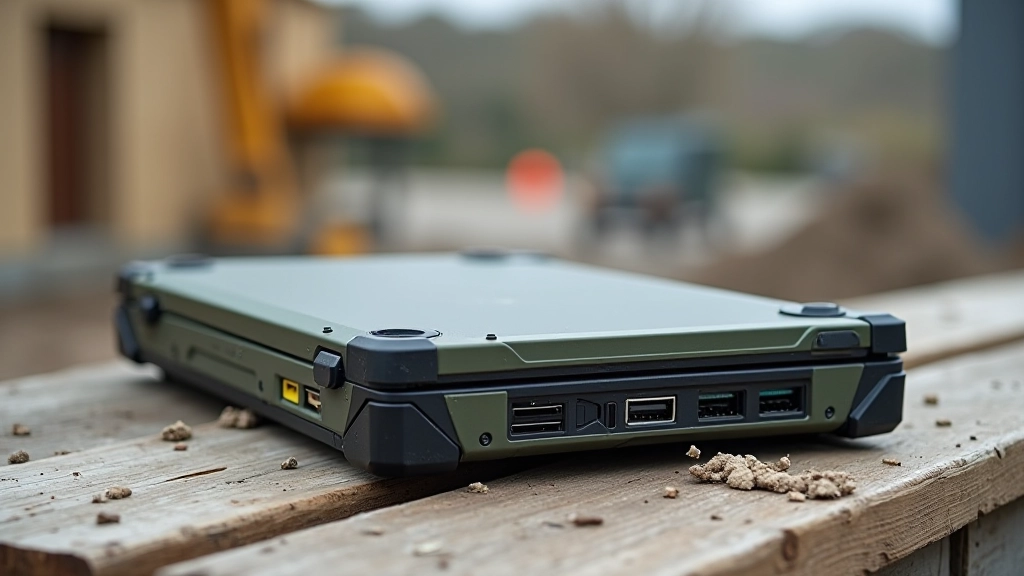

Security Features That Actually Matter
Durability's one thing. Security's another. If you're handling client data or sensitive project information, you need encryption that isn't optional. Most rugged laptops come with TPM 2.0 (Trusted Platform Module), which handles encryption key storage. That's standard across the market now.
What sets them apart: BIOS-level password protection. The ability to wipe drives remotely if a device goes missing. Fingerprint readers built into the palmrest rather than the keyboard—less likely to wear out. We found the Getac B360 and Panasonic Toughbook both offered solid BIOS locking. The Dell Latitude Rugged had decent encryption but the fingerprint reader was positioned awkwardly.
For Irish professionals working under GDPR requirements, that matters. Your data protection obligations don't disappear because your laptop is in a muddy field. You'll want hardware-level encryption and remote management capabilities. All seven models we tested support this, but implementation quality varies significantly.
Performance Under Pressure
Rugged doesn't mean slow. Not anymore. We ran standard benchmarks on all seven models: Geekbench 6, real-world file transfer tests, and video rendering tasks. The results surprised us.
Panasonic Toughbook CF-33
Intel Core i7, 16GB RAM, 512GB SSD
Handled sustained video encoding. Stayed cool even after 90 minutes of continuous work. The magnesium chassis absorbs heat well. Battery lasted 7 hours in the field with moderate use.
Getac B360
Intel Core i5, 8GB RAM, 256GB SSD
Lighter weight (2.4 kg) made it genuinely portable. Performance adequate for CAD work and spreadsheets. Struggled slightly with 4K video editing. Battery hit 6.5 hours under load.
Dell Latitude Rugged 7430
Intel Core i7, 16GB RAM, 512GB SSD
Fastest in benchmarks. Most responsive for multitasking. Felt most like a standard laptop to use. Battery life similar to Panasonic—about 7 hours with typical workload.
Real-World Costs and Longevity
Here's what nobody wants to talk about: rugged laptops cost more. The Panasonic Toughbook runs at the premium end of the market. The Getac sits in the middle. The Dell Latitude Rugged is more affordable but still significantly pricier than standard consumer models.
But here's the calculation that matters. A standard business laptop lasts 3-4 years before it either breaks or becomes too slow. You're replacing it every few years. A rugged laptop, if you treat it right, goes 5-7 years. The screen can take impacts that would shatter a standard display. The keyboard's rated for 10 million keystrokes instead of 2 million. Spare parts are available. Repair services exist specifically for these devices.
If you're working in field conditions, that longevity matters. A broken laptop on a remote job site costs money—lost productivity, delayed projects, client frustration. A rugged device that survives those conditions pays for itself through uptime alone.
5-7
Years typical rugged laptop lifespan
3-4
Years standard laptop lifespan
10M
Keystrokes rugged keyboards rated for

Which Model Should You Choose?
After six weeks of testing, we've narrowed it down. The Panasonic Toughbook CF-33 wins overall—it's the most durable, handles demanding tasks without complaint, and the security implementation is genuinely solid. You're paying a premium, but you're getting genuine military-spec engineering.
If budget matters, the Getac B360 delivers 80% of the Panasonic's durability at about 60% of the cost. It's lighter, portable, and adequate for most field work. The trade-off: smaller screen and slightly less robust engineering.
The Dell Latitude Rugged suits professionals who need durability but want the familiar feel of a standard laptop. Performance is excellent, security is solid, but it doesn't feel as "built for punishment" as the Panasonic or Getac.
The real question isn't which laptop is best—it's what conditions you're actually working in. A surveyor on a construction site needs different features than someone doing remote work from various locations. Consider where your device spends most of its time. That determines the right choice.
"A broken laptop on a remote job site costs money. A rugged device that survives those conditions pays for itself through uptime alone."



Important Disclaimer
This article is provided for educational and informational purposes only. The product reviews and testing results reflect conditions specific to our evaluation period and methodology. Actual performance may vary based on individual usage patterns, environmental conditions, and configuration choices.
We don't receive compensation from manufacturers for reviews. However, some products mentioned may have affiliate relationships. Technology specifications and availability change frequently—verify current details directly with manufacturers before making purchasing decisions.
For GDPR compliance and data security requirements specific to your organisation, consult with qualified information security professionals or legal advisors familiar with Irish data protection law.